
Sommario:
Il test di nebbia salina (Salt Spray Test / Salt Fog Test) è un metodo di invecchiamento accelerato che simula ambienti corrosivi in condizioni di laboratorio. Il suo principio fondamentale è che, in condizioni controllate di temperatura, umidità e concentrazione salina, i fenomeni di corrosione che normalmente impiegherebbero mesi o addirittura anni per manifestarsi possono essere compressi e osservati nell'arco di poche ore o pochi giorni.
È importante chiarire innanzitutto un punto: i risultati dei test in nebbia salina non possono essere convertiti direttamente nella durata effettiva di un prodotto.
La corrosione negli ambienti naturali è influenzata da molteplici fattori, tra cui l'esposizione alle radiazioni ultraviolette, le variazioni di temperatura, l'alternanza tra condizioni umide e secche, gli inquinanti atmosferici (come SO₂) e l'usura meccanica. Tuttavia, l'ambiente di nebbia salina in laboratorio rappresenta una singola condizione di umidità continua e alte concentrazioni di ioni cloruro. Pertanto, il vero valore del test in nebbia salina risiede in:
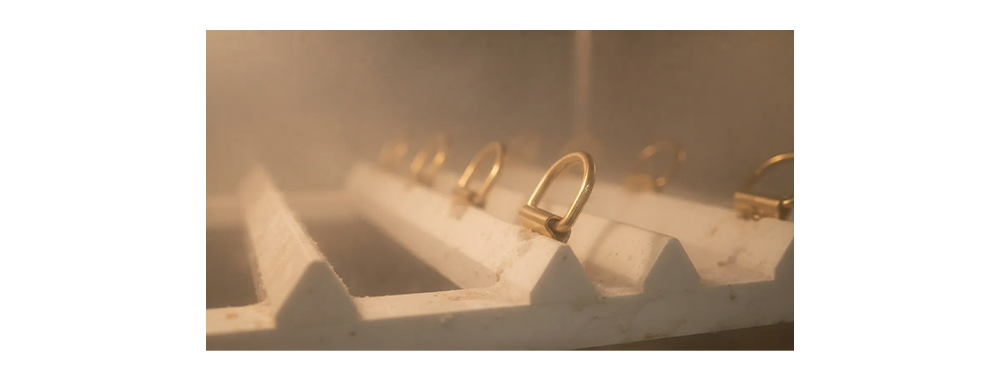
Il test in nebbia salina neutra (NSS) è attualmente il metodo di prova più utilizzato nel settore degli accessori per borse. Si basa principalmente sui seguenti tre sistemi standard:
Numero standard | Ambito di applicazione | Parametri chiave |
ISO 9227 | Standard internazionale | 5% NaCl, pH 6,5–7,2, 35°C ± 2°C |
ASTM B117 | mercato nordamericano | 5% NaCl, pH 6,5–7,2, 35°C ± 2°C |
QB/T 3826-1999 | settore dell'industria leggera in Cina | 5% NaCl, pH 6–7, 35°C ± 2°C, velocità di deposizione 1–2 mL/80 cm²·h |
Questi tre sistemi standard sono altamente coerenti in termini di parametri dell'ambiente di prova. Le principali differenze risiedono nella calibrazione delle apparecchiature e nei formati di registrazione dei risultati.
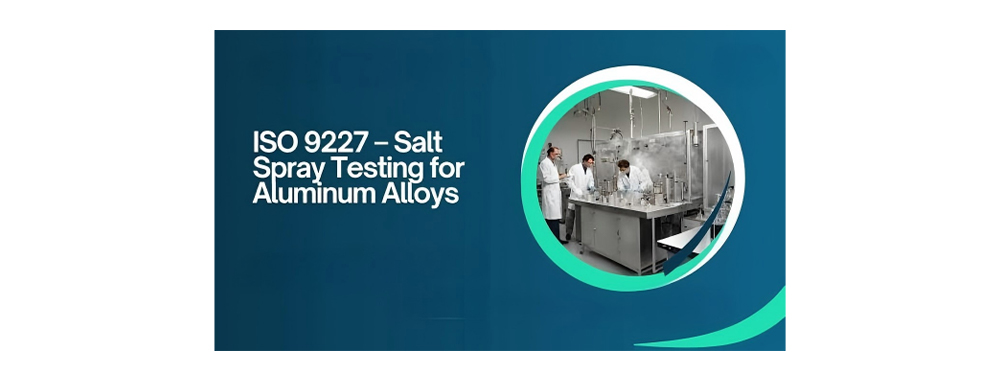
Nella produzione OEM/ODM di borse, di solito adottiamo lo standard di collaudo ISO 9227.
La norma ISO 9227 specifica in realtà tre metodi di prova, con livelli di severità crescenti:
Nel controllo qualità quotidiano degli accessori per borse, il test NSS rimane il metodo di riferimento assoluto. I test AASS e CASS sono più comunemente utilizzati per lo screening rapido durante l'introduzione di nuovi materiali o modifiche di processo, piuttosto che per le ispezioni di lotti di spedizione.
Lo spessore dello strato di galvanizzazione si misura in micrometri (μm, 1 μm = 0,001 mm). Nel settore della componentistica per borse, questo valore determina direttamente la durata del superamento del test in nebbia salina. La regola empirica del settore è che lo spessore della galvanizzazione ha una relazione approssimativamente lineare con il tempo di resistenza alla corrosione: raddoppiando lo spessore, raddoppia anche la durata della protezione.
Livello di strato | Materiale | Spessore tipico | Funzione |
Strato d'attacco | Rame o nichel | 0,5–2 μm | Migliora l'adesione al substrato e riempie i difetti superficiali microscopici. |
Strato barriera | Nichel | 1–3 μm | Blocca la migrazione degli ioni metallici del substrato e fornisce la principale protezione dalla corrosione. |
Strato decorativo (colore) | Oro / Palladio / Cromo / Oro imitazione | 0,1–3 μm | Conferisce colore e lucentezza alla superficie. |
Cappotto superiore | Rivestimento trasparente / Rivestimento nanoceramico | 5–15 μm | Sigilla l'intero sistema e protegge da sudore, graffi e ossidazione. |
Secondo le prassi del settore, la qualità della galvanizzazione degli accessori per borse può essere suddivisa in quattro gradi. Le differenze nello spessore del rivestimento e nella resistenza alla nebbia salina sono significative:
Grado di qualità | Spessore totale del rivestimento | Tempo tipico di passaggio della nebbia salina | Scenario applicativo |
Classe economica | <1 μm | 16–24 ore | Moda veloce, prodotti promozionali, accessori interni |
Grado di fascia media | 1–2 μm | 24–48 ore | Linee di prodotti standard di marchi di largo consumo |
Grado di alta gamma | 2,5–5 μm | Più di 48 ore | Marchi di design, linee di prodotti di alta gamma |
Grado di lusso | 5–10+ μm | Più di 96 ore | Marchi di lusso di alto livello come Hermès e LV |
La maggior parte delle borse standard deve soddisfare solo un requisito di 24-48 ore. Tuttavia, la soglia di prova specifica dovrebbe essere adattata dinamicamente in base all'ambiente di utilizzo effettivo del prodotto e allo scenario di applicazione.
Errore comune n. 1: concentrarsi solo sullo spessore dello strato decorativo ignorando lo strato barriera
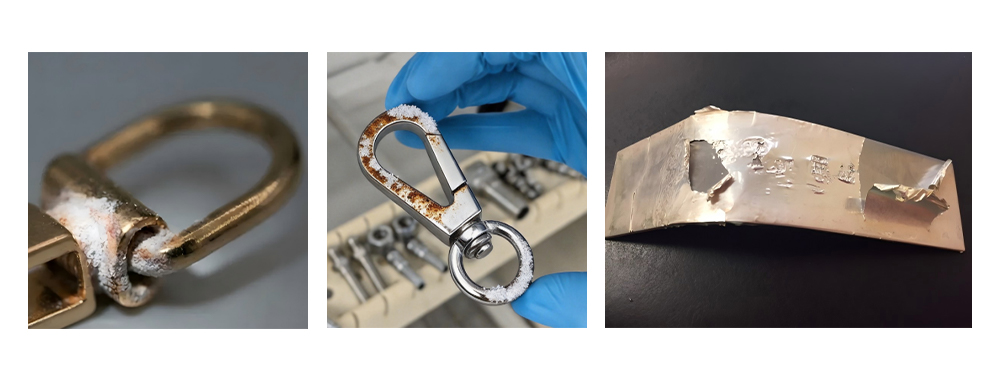
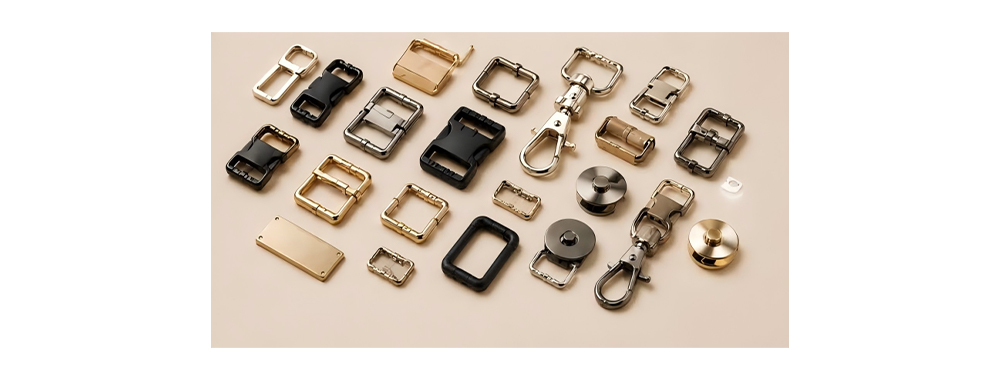
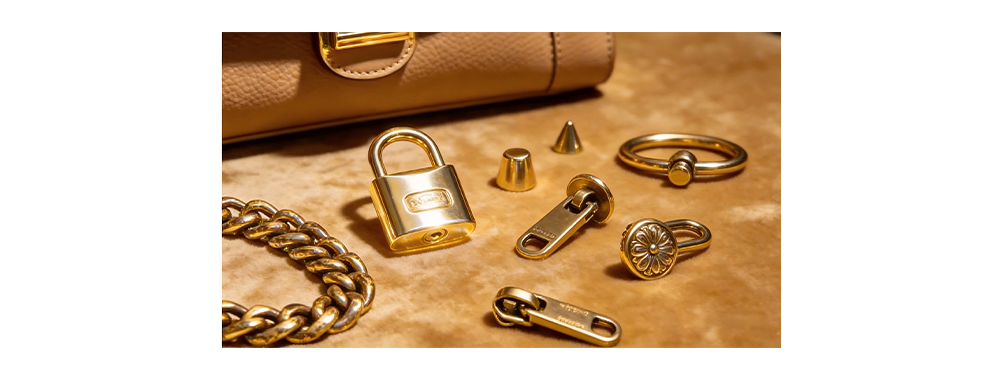
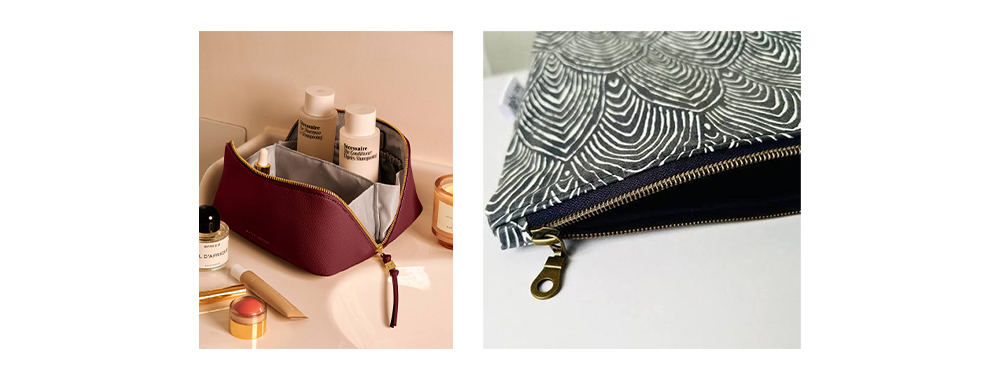
Molti acquirenti, quando valutano i fornitori, si concentrano solo su “quanti micrometri di spessore ha lo strato decorativo superficiale”, trascurando lo spessore dello strato barriera di nichel. Infatti, lo strato di nichel è la barriera protettiva principale contro la corrosione. Se lo strato di nichel è troppo sottile ( Errore comune n. 2: Ignorare lo strato protettivo (strato di finitura) Un rivestimento trasparente o un rivestimento protettivo nanoceramico funge da "impermeabile" per i componenti hardware. Le parti galvanizzate prive di uno strato protettivo possono comunque scolorirsi rapidamente dopo un contatto prolungato con il sudore umano (che contiene sale e acidi deboli), anche se superano un test NSS di 24 ore. Uno strato protettivo di alta qualità può prolungare la durata dei componenti hardware da 2 a 5 volte. Errore comune n. 3: Confondere i processi di "placcatura a cremagliera" e "placcatura a barile". Le prestazioni massime di un rivestimento galvanico sono in gran parte determinate dal materiale del substrato. I tre substrati comunemente utilizzati per la minuteria delle borse presentano ciascuno vantaggi e svantaggi specifici: Circa l'80%-90% degli accessori metallici per borse alla moda viene prodotto tramite pressofusione di leghe di zinco. Tra i suoi vantaggi si annoverano la buona fluidità, la facilità di realizzare disegni complessi e il costo moderato. Tuttavia, la lega di zinco ha di per sé una struttura porosa. Se il processo di pretrattamento prima della galvanizzazione (lucidatura, sgrassaggio, pulizia con acido) non è accurato, i gas residui e le impurità all'interno dei pori possono formare delle "bolle di placcatura" dopo la galvanizzazione, diventando i punti di innesco della corrosione durante i test in nebbia salina. L'ottone è un materiale di base prediletto per le borse di alta gamma. La sua struttura densa, l'elevata resistenza meccanica e la minore differenza di potenziale elettrochimico rispetto ai metalli placcati come nichel e oro, si traducono in una minore tendenza alla corrosione elettrochimica. I componenti metallici classici dei marchi di lusso più prestigiosi, come Hermès e Chanel, sono spesso realizzati in ottone. Gli svantaggi dell'ottone sono la sua maggiore densità (circa il 15% più pesante della lega di zinco a parità di volume), il costo più elevato e la possibilità di dezincificazione se la composizione della lega non è controllata correttamente. Dopo un'esposizione prolungata, questo può causare la comparsa di macchie rosa sulla superficie. Il materiale di substrato più resistente alla corrosione è, in particolare, l'acciaio inossidabile 316, che offre prestazioni eccezionali in ambienti marini e ad alta umidità grazie al suo contenuto di molibdeno. La ferramenta in acciaio inossidabile può essere generalmente utilizzata direttamente senza galvanizzazione (con finiture spazzolate o lucidate a specchio) oppure come substrato per rivestimenti PVD (Physical Vapor Deposition). Tra i suoi svantaggi si annoverano l'elevata difficoltà di lavorazione, la limitata flessibilità di progettazione e il costo più elevato. Viene utilizzato principalmente per componenti funzionali portanti in valigie e zaini da esterno. Indipendentemente dalla qualità del materiale del substrato, lo strato di galvanizzazione fallirà se il processo di pretrattamento è inadeguato. Un processo di pretrattamento standard comprende: Un dettaglio spesso trascurato è che i componenti in lega di zinco pressofusa richiedono un'ispezione per la presenza di "segni di flusso a freddo" prima della galvanizzazione. I segni di flusso a freddo sono difetti superficiali che si formano quando il bordo anteriore del metallo fuso si raffredda durante il processo di pressofusione. Sono difficili da individuare a occhio nudo, ma diventano evidenti ammaccature dopo la galvanizzazione e fungono da potenziali punti di ingresso per la corrosione. Dopo i test in nebbia salina, i componenti hardware mostrano comunemente tre tipi di fenomeni di corrosione: La ruggine bianca è un prodotto di corrosione del rivestimento stesso. Di solito compare sulla superficie dei rivestimenti di zinco o nichel e si presenta come depositi bianchi, polverosi o nebulosi. La comparsa di ruggine bianca indica che il rivestimento è stato intaccato, ma il substrato non è ancora corroso. Durante le prove, il momento in cui compare la ruggine bianca riflette la densità e lo spessore del rivestimento. Nei sistemi di galvanizzazione multistrato, la ruggine bianca può comparire sulla superficie dello strato di nichel, indicando la presenza di pori o uno spessore insufficiente di quest'ultimo. La ruggine rossa è un prodotto di corrosione del substrato (ferro o acciaio), che si presenta di colore bruno-rossastro. La comparsa di ruggine rossa indica che l'intero sistema di rivestimento è completamente deteriorato ed è considerata un grave difetto di qualità. Nella componentistica per borse, la comparsa di ruggine rossa su substrati in lega di zinco è solitamente accompagnata da estesi distacchi o scrostature del rivestimento. Questa è una tipica manifestazione di scarsa adesione. La formazione di bolle è solitamente causata da uno sgrassaggio incompleto durante il pretrattamento o da infragilimento da idrogeno durante il processo di galvanizzazione. Il distacco può essere correlato a eccessive tensioni interne all'interno del rivestimento o a un'insufficiente forza di adesione tra lo strato di base e il substrato. I componenti con bolle spesso sviluppano ruggine rossa entro un breve periodo Al termine del test, l'area di corrosione deve essere valutata secondo la norma ISO 10289: Valutazione Percentuale di area corrosa Valutazione della qualità 10 Nessun difetto Perfetto 9 ≤0,1% Eccellente 8 ≤0,25% Bene 7 ≤0,5% Accettabile 6 ≤1% Critico ≤5 >2,5% Non qualificato Nel controllo qualità effettivo degli accessori per borse, la valutazione richiesta non deve essere inferiore al Grado 7 (area di corrosione ≤0,5%) e la ruggine rossa non è ammessa. Gli standard interni di alcuni marchi di alta gamma richiedono una valutazione pari o superiore al Grado 9. Le differenze tra le categorie di prodotto determinano le soglie di test Le diverse tipologie di borse presentano rischi di corrosione significativamente differenti per i loro componenti metallici, pertanto i requisiti di collaudo dovrebbero essere adeguati di conseguenza: Accessori per zaino In genere include cerniere, fibbie, anelli a D e fibbie di regolazione. Poiché gli zaini sono spesso utilizzati in ambienti esterni ed esposti a pioggia e sudore, si raccomanda che il test NSS di base sia di almeno 24 ore senza ruggine rossa e senza formazione di bolle. Per gli ordini destinati ai mercati tropicali o a quelli con clima marino, si raccomanda di estendere il tempo di consegna a oltre 48 ore. Per gli acquirenti OEM di zaini con esigenze particolari in termini di resistenza alla corrosione dei componenti, la durata dei test e i criteri di guasto possono essere definiti chiaramente con il produttore di zaini in anticipo, durante la fase di campionamento, evitando così controversie causate da standard poco chiari durante la produzione di massa. Accessori per borse La funzione è principalmente decorativa, mentre la funzionalità è un aspetto secondario. Comprende componenti come serrature, catene, piedini e chiusure magnetiche. L'ambiente di utilizzo delle borse è relativamente mite (principalmente in ambienti interni), ma i consumatori hanno una tolleranza estremamente bassa per i difetti estetici visibili. Si raccomanda che il test NSS raggiunga 24 ore senza la comparsa di punti di corrosione visibili. Per gli acquirenti OEM di borse, catene e serrature sono componenti di controllo fondamentali per verificare eventuali modifiche durante l'utilizzo prolungato e in condizioni di usura, e dovrebbero essere incluse come elementi di ispezione obbligatori per ogni lotto di produzione. I componenti metallici delle trousse per cosmetici sono generalmente di piccole dimensioni (come le linguette delle cerniere e le piccole chiusure), ma l'ambiente di utilizzo è piuttosto ostile: elevata umidità nei bagni, ingredienti chimici presenti nei cosmetici (come alcol, oli e profumi), nonché usura meccanica causata dalle frequenti aperture e chiusure. Per gli acquirenti OEM di trousse per cosmetici, l'esecuzione di un test NSS di 24 ore su trousse per cosmetici e trousse da toilette è un requisito obbligatorio. I componenti hardware come maniglie telescopiche, basi con ruote e serrature sono soggetti sia a carichi meccanici che a problemi di corrosione. Normative come la ISO 9227 forniscono requisiti precisi per i test in nebbia salina per la componentistica dei bagagli. In genere, secondo la norma, viene eseguito un test NSS di 24 ore. Tuttavia, i marchi di borse da lavoro di alta gamma spesso hanno requisiti interni che prevedono test di durata superiore alle 48 ore. Nei tradizionali processi di galvanostegia, gli strati di passivazione di cromo esavalente (Cr⁶⁺) erano ampiamente utilizzati grazie alla loro eccellente resistenza alla corrosione. Tuttavia, il cromo esavalente è classificato come sostanza estremamente preoccupante (SVHC) ai sensi del regolamento REACH dell'UE ed è cancerogeno. Il suo utilizzo nella componentistica per borse è pertanto stato rigorosamente limitato. L'attuale tendenza del settore si è spostata verso la passivazione con cromo trivalente (Cr³⁺). Sebbene la sua resistenza alla corrosione sia leggermente inferiore a quella del cromo esavalente in determinate condizioni estreme, è possibile ottenere prestazioni equivalenti nei test NSS aumentando lo spessore del rivestimento e ottimizzando i processi di sigillatura. Per gli ordini OEM di borse esportati nell'UE, raccomandiamo che i prodotti siano dotati di certificazione di conformità REACH. La deposizione fisica da fase vapore (PVD) è un processo che deposita materiali metallici o ceramici su superfici di substrato in un ambiente sottovuoto. Rispetto alla galvanostegia, i rivestimenti PVD presentano una durezza circa 10 volte superiore, sono praticamente impossibili da graffiare o scolorire e non richiedono l'uso di soluzioni chimiche nocive. Nel settore della componentistica per borse, il PVD viene attualmente applicato principalmente a: I limiti della PVD includono elevati costi di investimento per le attrezzature, requisiti estremamente elevati per la levigatezza della superficie del substrato (che di solito richiedono uno strato di base di nichelatura galvanica e una lucidatura a specchio preliminare) e una minore flessibilità nella scelta del colore rispetto alla galvanica. Pertanto, nei prossimi 5-10 anni, la galvanizzazione rimarrà probabilmente il processo principale per la produzione di accessori per borse, ma il tasso di diffusione del PVD continuerà ad aumentare. A: Per quanto riguarda la componentistica metallica delle borse, il test in nebbia salina è un metodo fondamentale per verificare la qualità della galvanizzazione e prevedere le prestazioni a lungo termine del prodotto in climi umidi (come il Sud-est asiatico e le regioni costiere). Standard Ambito di applicazione Note ASTM B117 Nord America e mercati internazionali Il metodo di riferimento più comunemente utilizzato per la nebbia salina neutra (NSS) ISO 9227 Certificazione internazionale per l'esportazione Copre tre metodi: NSS, AASS e CASS GB/T 10125 standard nazionale cinese Comunemente utilizzato dalle fabbriche nazionali ed esportatrici QB/T 3826 Prodotti industriali leggeri (accessori per valigie e borse) Standard storico utilizzato nell'industria cinese dei bagagli EN 1670 Ferramenta europea per architettura e arredamento Classifica la resistenza alla corrosione in gradi da 1 a 5 (da 24 a 480 ore). Di seguito sono riportati alcuni riferimenti comuni del settore (basati su test di nebbia salina neutra NSS): Posizionamento sul mercato Requisiti tipici per la resistenza alla nebbia salina Scenario applicativo Moda veloce / Livello base 24 ore o più Ambienti interni asciutti, utilizzo a breve termine marchi di fascia media 48 ore o più Pendolarismo urbano quotidiano in generale marchi di alta gamma 48–72 ore Climi ad alta umidità (come Florida, Singapore e Hong Kong) Marchi di lusso Più di 96 ore Durabilità a lungo termine, mercati costieri, qualità da cimelio di famiglia Le cause più comuni includono: Substrato Caratteristiche della nebbia salina Lega di zinco (Zamak) È la soluzione più economica, ma il substrato è altamente reattivo e dipende fortemente dallo strato di galvanizzazione; i difetti del rivestimento possono facilmente causare ruggine bianca/rossa. Ottone Il substrato stesso presenta una migliore resistenza alla corrosione rispetto alla lega di zinco e può mantenere una maggiore durata anche senza placcatura; adatto per design di alta gamma non placcati o con placcatura leggera. Acciaio inossidabile (304/316) La massima resistenza alla corrosione del substrato; può essere utilizzato direttamente o solo rivestito con PVD; l'acciaio inossidabile 316 può raggiungere prestazioni superiori a 500 ore. I due processi non si escludono a vicenda: l'hardware di fascia alta spesso adotta un processo combinato di "strato di base galvanizzato + strato superiore PVD". Risposta: No. Il test in nebbia salina è un test comparativo accelerato. Un test di laboratorio di 48 ore non equivale a 48 giorni di utilizzo effettivo. Viene utilizzato principalmente per: Nell'utilizzo reale, gli effetti dell'usura, del sudore, dell'esposizione ai raggi ultravioletti e delle variazioni di temperatura sull'hardware differiscono da quelli riscontrati in condizioni di nebbia salina. Pertanto, i progetti di fascia alta spesso richiedono ulteriori test artificiali di sudorazione, test di usura e test di adesione. Tipo di test Scopo Standard comuni Test del sudore artificiale Simula la corrosione e lo scolorimento causati dal contatto con le mani ISO 3160-2, formule definite dal cliente Test di adesione Verifica se i rivestimenti sono soggetti a scrostamento prova di taglio incrociato, prova del nastro, prova di flessione Test di usura/attrito Valuta la resistenza durante il contatto quotidiano Test di attrito alternato, test del nastro RCA Prova di durezza Conferma la resistenza ai graffi superficiali Test di durezza della matita, test di durezza Vickers Prove di trazione/coppia Verifica la resistenza meccanica dei componenti portanti (anelli a D, moschettoni). Definito dal cliente (in genere 30–80 kg) Test di ciclo Valuta la durata di vita delle serrature e delle chiusure a molla dopo ripetuti cicli di apertura e chiusura. 5.000–10.000 cicli La resistenza alla corrosione degli accessori per borse non può mai essere valutata semplicemente in base al loro aspetto lucido o al loro peso. I test in nebbia salina NSS forniscono un parametro di riferimento unificato per il confronto, lo spessore della galvanizzazione offre indicatori fisici misurabili e la progettazione di sistemi di galvanizzazione multistrato riflette la profondità delle capacità produttive di un fornitore. Per le fabbriche di borse e i vari fornitori di servizi OEM per borse, l'implementazione di capacità di collaudo interne basate sulla norma ISO 9227 rappresenta un investimento necessario per migliorare la competitività della catena di fornitura. Per i marchi e gli acquirenti, durante lo sviluppo delle specifiche tecniche (Tech Pack), è fondamentale definire chiaramente l'ambiente di utilizzo effettivo del prodotto. Sulla base di ciò, è necessario stabilire durate ragionevoli per i test in nebbia salina e criteri di accettazione appropriati, al fine di evitare sprechi di denaro o problemi di controllo qualità causati da un approccio standardizzato. 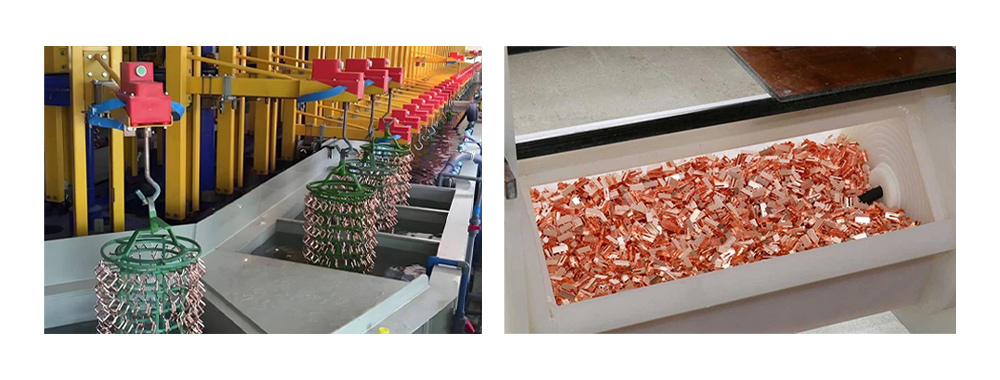
3. Selezione del substrato
3.1 Caratteristiche di corrosione di tre substrati di uso comune

3.2 Pretrattamento: un processo più critico della galvanica
4. Interpretazione dei risultati dei test
4.1 Identificazione delle modalità di guasto
4.2 Norma di valutazione ISO 10289
5. Dagli standard alla pratica: standard di prova raccomandati per diverse categorie di borse

6. Evoluzione del settore industriale: normative ambientali e nuove tecnologie
6.1 Dal cromo esavalente al cromo trivalente
6.2 PVD: un'alternativa di alta gamma alla galvanica
7. Domande frequenti
D1. Perché gli accessori per borse devono essere sottoposti al test di nebbia salina?
D2. Quali sono gli standard di prova in nebbia salina comunemente utilizzati nel settore degli accessori per borse?
D3. Qual è la durata tipica del test di nebbia salina richiesta per i diversi livelli di posizionamento degli accessori per borse?
D4. Perché lotti diversi mostrano grandi variazioni nei risultati del test in nebbia salina nonostante venga utilizzato lo stesso processo di galvanizzazione?
D5. Quali sono le differenze fondamentali nelle prestazioni in nebbia salina tra substrati in lega di zinco, ottone e acciaio inossidabile?
D6. Quali sono le differenze tra i rivestimenti PVD e la galvanica tradizionale in termini di prestazioni nei test di nebbia salina?
D7. È possibile equiparare direttamente i risultati dei test in nebbia salina alla durata effettiva di un prodotto?
D8. Oltre al test di nebbia salina, quali altri test di supporto sono solitamente richiesti per gli accessori delle borse?
Conclusione
Autore 



Continua a leggere, resta aggiornato, iscriviti e ti diamo il benvenuto per dirci cosa ne pensi.




Diritto d'autore
@2024 Synberry Bag & Package Products Co.,Ltd Tutti i diritti riservati
.
 RETE SUPPORTATA