
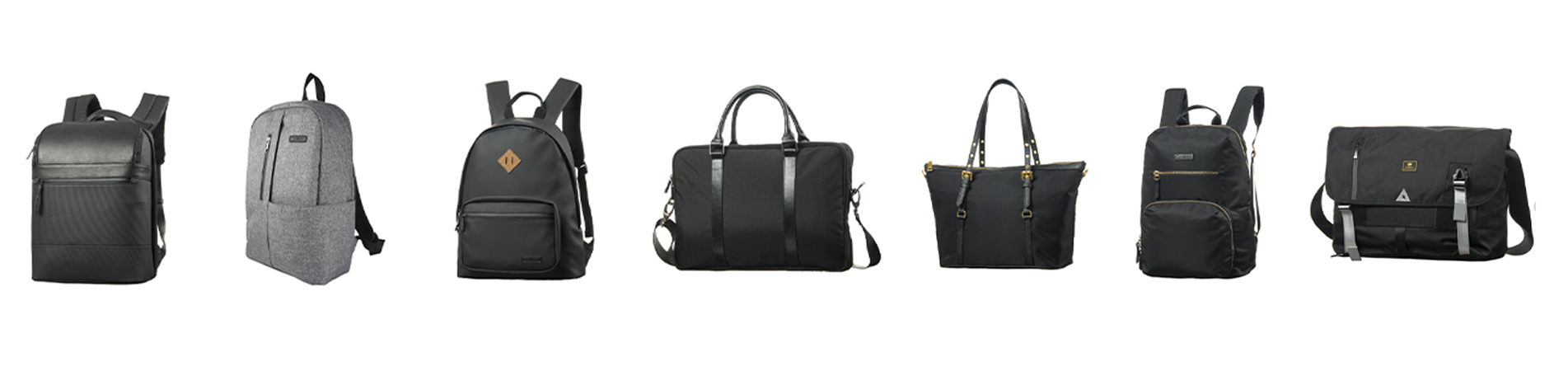
Il 12 agosto 2026 entrerà ufficialmente in vigore il Regolamento UE sugli imballaggi e i rifiuti di imballaggio (PPWR, UE 2025/40). Si tratta di qualcosa di ben più di un semplice aggiornamento normativo di routine: rappresenta un passaggio fondamentale da una direttiva a un regolamento, il che significa che tutti gli imballaggi immessi sul mercato dell'UE, inclusi sacchetti, sacchi antipolvere e sacchi per il trasporto, saranno soggetti a requisiti di conformità obbligatori, armonizzati e direttamente applicabili in tutti gli Stati membri.
Per i produttori di borse e i proprietari di marchi che operano sul mercato europeo, comprendere la tempistica di implementazione del PPWR e i relativi requisiti tecnici non è più un'opzione, ma è diventato un prerequisito essenziale per l'accesso al mercato.

Sommario
Per comprendere l'impatto del PPWR, è essenziale innanzitutto comprenderne la trasformazione fondamentale.
In precedenza, gli imballaggi nell'Unione Europea erano regolati dalla Direttiva 94/62/CE. In base a una direttiva, l'UE stabilisce il quadro normativo generale, mentre ciascuno Stato membro lo recepisce nella propria legislazione nazionale. Di conseguenza, l'applicazione delle normative sugli imballaggi è variata da paese a paese, come Germania, Francia e Italia, obbligando le aziende ad adottare strategie di conformità specifiche per ciascun paese.
Il PPWR, al contrario, è un regolamento. Una volta entrato in vigore, si applicherà direttamente in tutti gli Stati membri dell'UE senza la necessità di una legislazione nazionale di attuazione. Ciò significa che:
Ciò significa che, indipendentemente dal luogo di produzione dei vostri sacchetti finiti, se questi vengono venduti nell'UE, il loro imballaggio deve essere conforme ai requisiti obbligatori del regolamento PPWR.
Il PPWR ha una portata estremamente ampia. Si applica a tutti gli imballaggi, indipendentemente dal materiale, dall'uso previsto o dal fatto che siano utilizzati in applicazioni B2B o B2C.
Per i produttori di borse, le seguenti tre categorie di imballaggi sono direttamente coperte dal Regolamento:
Tipo di imballaggio | Considerazioni chiave in materia di conformità |
Sacchi antipolvere per prodotto finito / Sacchi in tessuto non tessuto | Classificato come confezioni di venditae devono essere conformi ai requisiti di riciclabilità, etichettatura e registrazione EPR. |
Scatole per spedizioni / Buste per corriere | Deve soddisfare i requisiti di minimizzazione degli imballaggi (inclusi i limiti di spazio vuoto) e i requisiti di riciclabilità. |
Fodere interne / Sacchetti con etichetta | Le costruzioni multimateriale potrebbero presentare un indice di riciclabilità ridotto, aumentando i rischi di non conformità. |
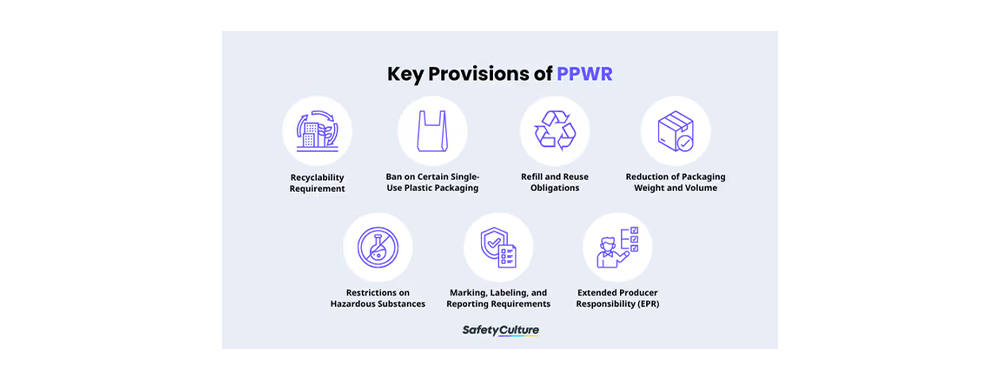
Il regolamento PPWR richiede che tutti gli imballaggi siano riciclabili. Entro il 1° gennaio 2028, la Commissione europea definirà i criteri di progettazione per il riciclo (DfR), introducendo un sistema di classificazione della riciclabilità a quattro livelli (gradi A, B, C e D).
A partire dal 2030, tutti gli imballaggi immessi sul mercato dell'UE dovranno raggiungere almeno la classificazione C (70% di riciclabilità). Entro il 2035, solo gli imballaggi di classificazione A e B saranno autorizzati a rimanere sul mercato.
Impatti diretti sugli imballaggi in sacchetti
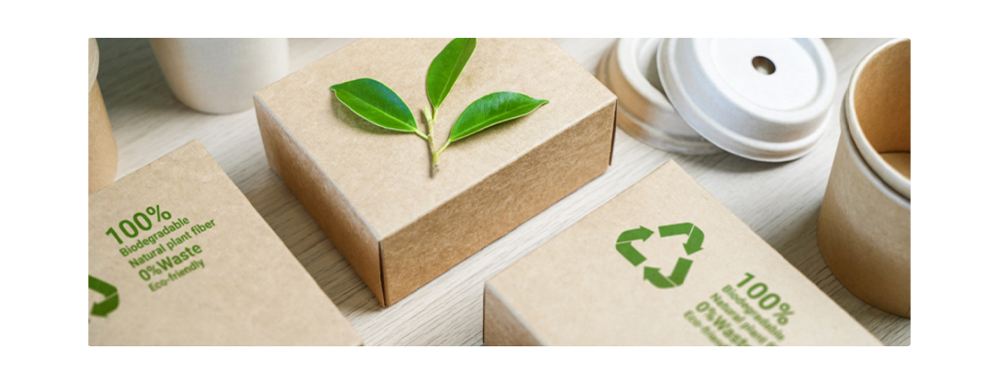
Il PPWR introduce requisiti minimi obbligatori per il contenuto di materiale riciclato post-consumo (PCR) negli imballaggi in plastica, con obiettivi progressivamente più elevati nel tempo:
cronologia | Imballaggi in PET sensibili al contatto | Altri imballaggi in plastica |
2030 | 30% | 10% |
2040 | 50% | 30% |
A partire dal 12 agosto 2026, entreranno in vigore immediatamente le seguenti restrizioni:
Per l'industria della produzione di borse, i rivestimenti impermeabili, le cerniere metalliche, gli inchiostri da stampa e le etichette in PVC sono considerati fonti ad alto rischio di metalli pesanti e PFAS. Questi materiali dovrebbero essere considerati prioritari durante gli audit dei fornitori in fase di pre-produzione e le valutazioni di conformità della catena di approvvigionamento.
Il regolamento PPWR richiede che il peso e il volume degli imballaggi siano ridotti al minimo, pur mantenendo la funzionalità prevista.
Entro il 2030, gli imballaggi per il trasporto non dovranno superare un rapporto di spazio vuoto del 50%.
Per gli esportatori di borse, questo significa:
L'UE introdurrà un sistema armonizzato di etichettatura degli imballaggi, che comprenderà:
Si prevede che a partire da agosto 2028, tutti i nuovi imballaggi immessi sul mercato dovranno essere muniti di etichette conformi al regolamento PPWR.

Il Regolamento UE sugli imballaggi e i rifiuti di imballaggio (PPWR) avrà un impatto significativo su marchi e produttori. Per prepararsi a requisiti di imballaggio e standard di produzione sempre più stringenti, è fondamentale comprendere la tempistica di attuazione graduale del Regolamento.
Data | Pietra miliare |
11 febbraio 2025 | IL PPWRè entrato ufficialmente in vigore, diventando un regolamento UE giuridicamente vincolante. |
12 agosto 2026 | Data di applicazione generale in cui la maggior parte delle disposizioni del PPWR diventeranno obbligatorie in tutti gli Stati membri dell'UE. |
31 dicembre 2026 | La Commissione europea finalizzerà il quadro legislativo per il calcolo del contenuto riciclato, fornendo alle imprese norme pratiche per il periodo di transizione dal 2027 al 2030. |
1° gennaio 2030 | • Tutti gli imballaggi immessi sul mercato dell'UE devono essere riciclabili. |
2035–2040 | • Entreranno in vigore ulteriori obiettivi di riduzione dei rifiuti di imballaggio. |
Noi di SYNBERRY BAG non consideriamo il PPWR semplicemente un costo aggiuntivo per la conformità. Lo vediamo invece come un'opportunità per rafforzare la competitività del prodotto, integrando la conformità in ogni fase dello sviluppo e della produzione. Insieme ai nostri clienti, stiamo implementando tre strategie chiave.
Abbiamo sviluppato sistematicamente un portafoglio di materiali in linea con i requisiti in continua evoluzione del PPWR, tra cui:
Abbiamo anticipato i controlli di conformità PPWR integrandoli nel nostro processo di sviluppo dei campioni e di approvazione pre-produzione.
Ciò include:
Offriamo un supporto documentale completo, dalla tracciabilità dei materiali alla documentazione finale di conformità, aiutando i marchi a dimostrare la conformità con sicurezza.
Il nostro supporto comprende:
Questi pacchetti di documentazione non solo aiutano a soddisfare i requisiti normativi, ma fungono anche da preziosa prova di trasparenza della catena di fornitura, consentendo ai marchi di dimostrare la conformità e le credenziali di sostenibilità ai partner a valle, come gli importatori e i rivenditori dell'UE.
R: No. Il Regolamento PPWR si applica a tutti gli imballaggi immessi sul mercato dell'UE, indipendentemente dal fatto che siano utilizzati per il B2B o il B2C, o per prodotti alimentari o non alimentari. Per le borse di moda, gli imballaggi come sacchetti antipolvere, scatole di spedizione e sacchetti interni rientrano tutti nell'ambito di applicazione del Regolamento.
A: I rivestimenti idrorepellenti C6 appartengono alla famiglia dei PFAS (sostanze perfluoroalchiliche e polifluoroalchiliche a catena corta). Sebbene le restrizioni dettagliate sui PFAS previste dal PPWR siano ancora in fase di perfezionamento, l'orientamento normativo generale dell'UE è quello di limitare progressivamente l'uso dei PFAS.
Si consiglia di iniziare la transizione verso tecnologie idrorepellenti senza fluoro (C0), come quelle a base di paraffina, silicone o nanotecnologie bioispirate, a partire dal 2025. I marchi dovrebbero inoltre richiedere ai fornitori di tessuti report di test che attestino l'assenza di PFAS, con limiti di rilevamento generalmente inferiori a 25 ppb.
R: No. Il PPWR adotta un approccio di autodichiarazione. Il fabbricante o l'importatore è responsabile della firma della Dichiarazione di Conformità (DoC) sulla base della documentazione tecnica di supporto.
Tuttavia, la documentazione tecnica dovrebbe generalmente includere i rapporti di prova, come ad esempio le analisi dei metalli pesanti, rilasciati da laboratori qualificati e accreditati.
R: Sì. Se immetti prodotti confezionati sul mercato UE tramite un importatore, un distributore o una piattaforma di e-commerce (come Amazon), sei considerato un "produttore" ai sensi del Regolamento sui prodotti confezionati.
È obbligatorio registrarsi al sistema di Responsabilità Estesa del Produttore (EPR) in ogni Paese dell'UE in cui i vostri prodotti vengono venduti. Se la vostra azienda non ha una sede legale nell'UE, in genere dovrete nominare un Rappresentante Autorizzato per adempiere agli obblighi di conformità.
A: Il rapporto di spazio vuoto si calcola come segue:
Rapporto di spazio vuoto = (Volume interno dell'imballaggio − Volume effettivo del prodotto) ÷ Volume interno dell'imballaggio × 100%
Ai sensi del PPWR, il rapporto di spazio vuoto per gli imballaggi raggruppati, gli imballaggi per il trasporto e gli imballaggi per l'e-commerce non deve superare il 50%.
Per i prodotti flessibili come le borse, questo requisito può essere generalmente soddisfatto tramite:
Gli imballaggi per il trasporto utilizzati esclusivamente per la protezione dei pallet (come la pellicola estensibile per pallet) non sono soggetti a questo requisito.
R: No. Il regolamento PPWR si applica agli imballaggi immessi sul mercato dell'UE a partire dal 12 agosto 2026, indipendentemente dalla data di fabbricazione dell'imballaggio stesso.
Se gli imballaggi esistenti entrano nel mercato UE per la prima volta dopo il 12 agosto 2026, devono comunque essere conformi al Regolamento. Anziché fare affidamento su scorte pre-prodotte, le imprese sono fortemente incoraggiate a completare la transizione di conformità per l'intero portafoglio di imballaggi con largo anticipo.
La piena attuazione del Regolamento PPWR segna un cambiamento fondamentale nel mercato dell'UE: si passa da una competizione basata principalmente sul prezzo a una basata sulla conformità.
Per gli acquirenti B2B di borse e per i marchi, ciò rappresenta non solo una sfida normativa, ma anche un'opportunità per rafforzare la fiducia dei clienti e migliorare la competitività a lungo termine.
Ai sensi degli acquirenti dell'UE, i marchi che completeranno i preparativi per la conformità al regolamento PPWR entro agosto 2026 dimostreranno una maggiore maturità della catena di fornitura, una maggiore responsabilità ambientale e un impegno più profondo verso partnership a lungo termine.
Noi di SYNBERRY BAG, questo è esattamente l'obiettivo che ci impegniamo a raggiungere insieme a ogni cliente: aiutare i marchi a trasformare la conformità normativa in un vantaggio competitivo duraturo.
| Autore | ||||||
|
Continua a leggere, resta aggiornato, iscriviti e ti diamo il benvenuto per dirci cosa ne pensi.




Diritto d'autore
@2024 Synberry Bag & Package Products Co.,Ltd Tutti i diritti riservati
.
 RETE SUPPORTATA