
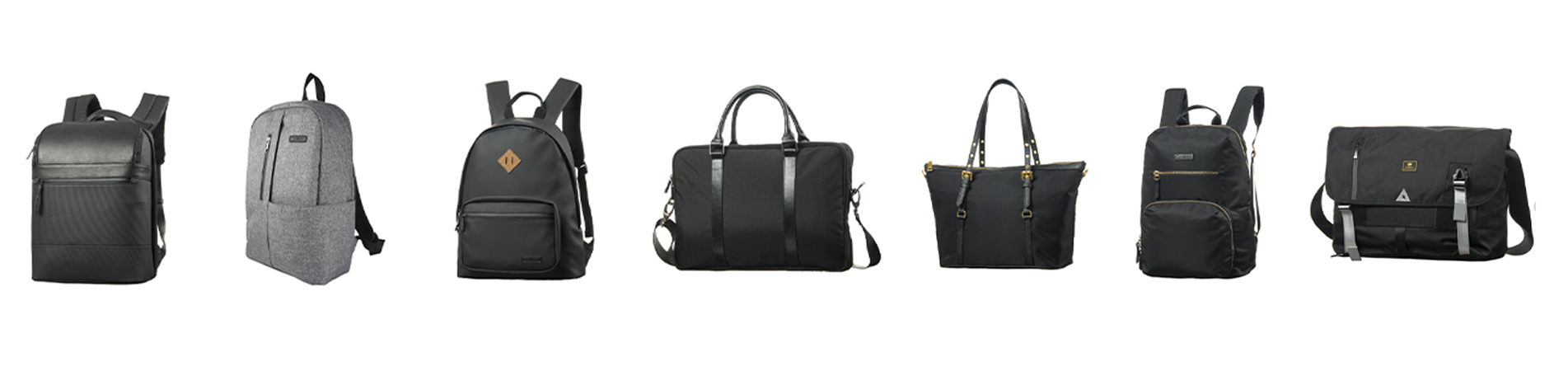
For brands, retailers, and importers seeking OEM/ODM partnerships, selecting a reliable bag manufacturer goes far beyond comparing price tags. It directly determines your time-to-market, end-consumer reputation, and long-term supply chain resilience. Whether you require fashion-forward handbags, functional backpacks, or refined cosmetic bags.
Drawing from over 30 years of OEM/ODM expertise—having served both internationally acclaimed bag brands and major retailers across the U.S. and Europe, with dual production capabilities in China and Cambodia—this industry veteran breaks down the 8 fundamental dimensions that truly matter when evaluating a bag manufacturer, helping you effectively identify a genuinely suitable long-term partner.
An experienced manufacturer should proactively recommend production solutions that balance cost and performance when you provide design concepts or reference samples, while anticipating and eliminating potential process risks before bulk production.
When evaluating a factory’s manufacturing capabilities, focus on the following:
Insider insight: A manufacturer with over 30 years of production management experience typically possesses deeper technical know-how and stronger supply chain integration capabilities. This directly translates to lower quality volatility and fewer surprises during bulk production.
Manufacturer service scopes vary widely, ranging from basic OEM processing to full-package ODM design and development. For B2B buyers, a manufacturer offering value-added development services can significantly shorten your project timeline:
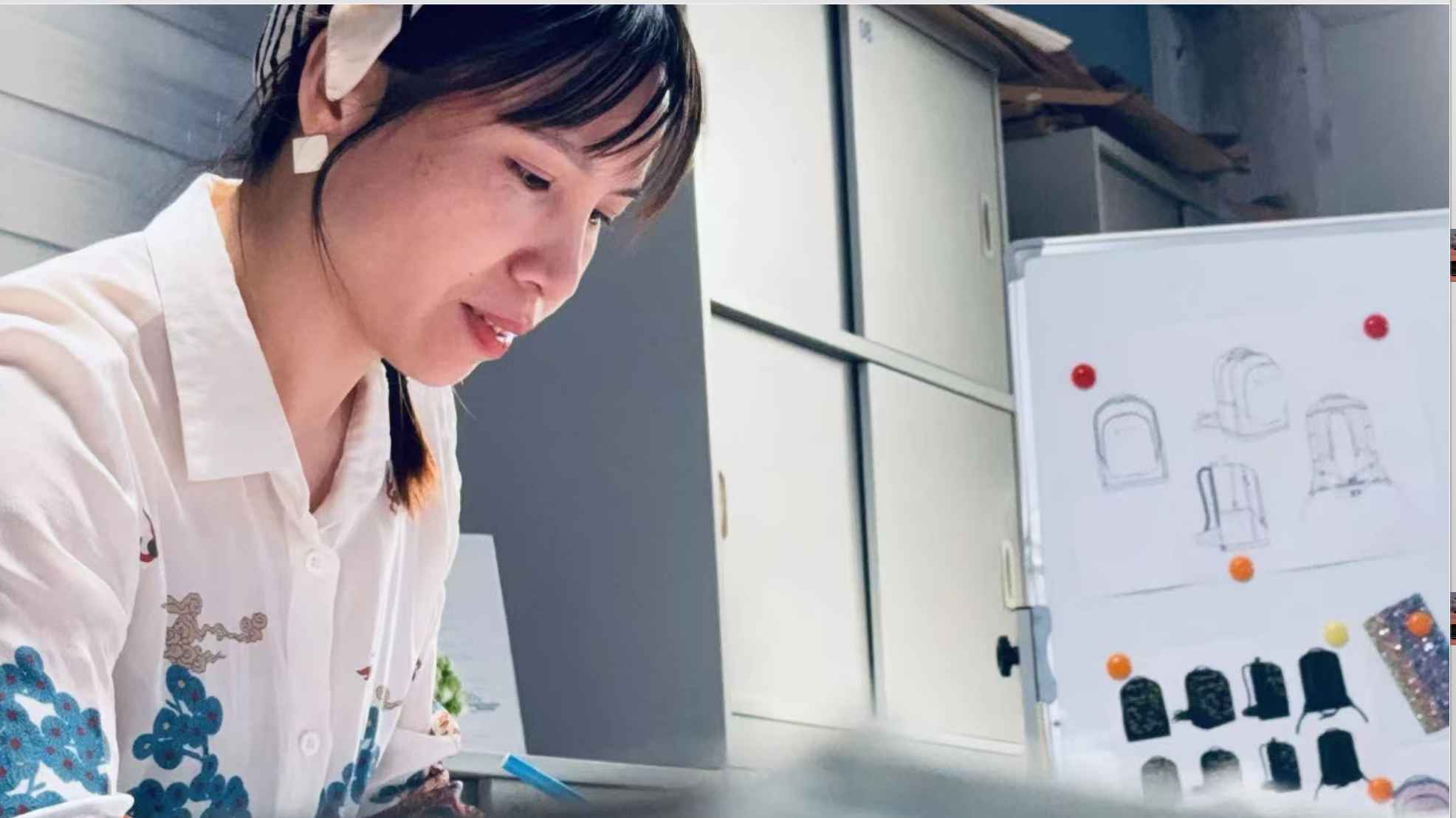
Product Spec Analysis in Synberry Bag
If your team lacks on-site QC resources, prioritize manufacturers with in-house quality control teams and testing laboratories—this ensures greater peace of mind during bulk production.
Quality is never achieved through last-minute QC inspections before shipment; it is built through years of standardized discipline and training. A manufacturer worthy of your trust must maintain a quality control system that spans the entire production process, with clearly defined standards at each of the following checkpoints:
| Inspection Stage | Key Actions |
| Incoming Quality Control (IQC) | Fabric color variance, weight, and tensile strength testing; hardware specification verification. |
| In-Process Quality Control (IPQC) | Panel alignment checks; print/embroidery quality inspection; stitch density monitoring; semi-finished product spot checks. |
| First Piece Quality Control (FPQC) | First article inspection using bulk materials—comprehensive verification of functionality, appearance, dimensions, and performance testing before full-scale assembly begins. |
| Final / Outgoing Quality Control (FQC / OQC) | 100% lot inspection across all units; full dimension verification; functional testing; visual defect sorting. |
| Pre-Shipment Inspection | AQL sampling standard execution; support for third-party agency collaboration. |
If a manufacturer operates its own QA team or maintains established third-party inspection protocols, your on-site supervision costs can be significantly reduced.
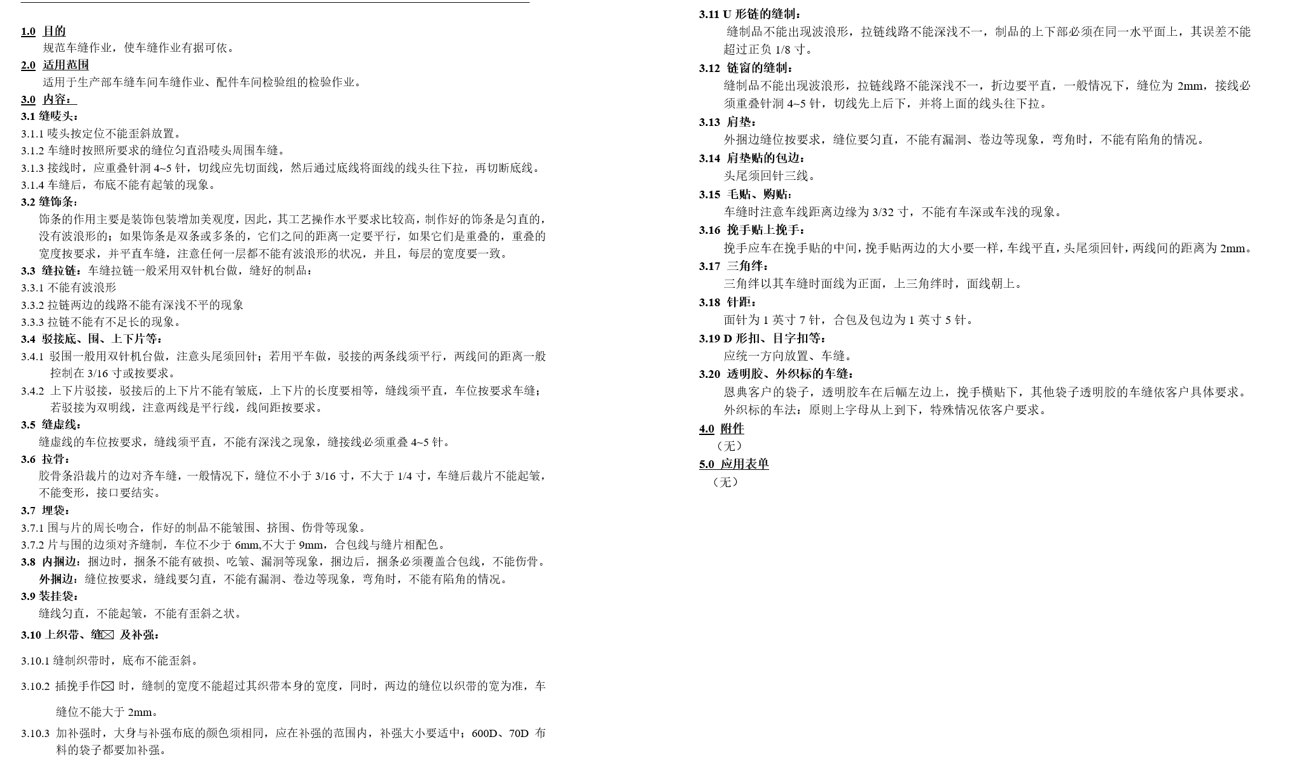 Backpack Manufacturing SOP in Synberry Bag
Absolutely. A reliable manufacturer should first and foremost serve as a more knowledgeable product "consultant" than the buyer itself—not merely a processing contractor. Different bag styles demand fundamentally different material properties, manufacturing techniques, and structural engineering:
When selecting a manufacturer, verify that they possess proven mass-production experience in your specific material category—not merely that they "can do it." Material proficiency directly determines the finished product's hand-feel, durability, and market reception.
5. How to Assess Whether a Manufacturer Meets Ethical and Sustainability Standards?
With rising ESG (Environmental, Social, Governance) requirements from European and American retailers, a manufacturer's compliance credentials have become a mandatory threshold for most B2B procurement. Key evaluation criteria include:
Manufacturers with overseas compliant production capacities—such as in Cambodia—often possess natural advantages in meeting country-of-origin preferences and tariff optimization for European and American clients, while also satisfying some brands' requirements for supply chain diversification.
The typical timeline for a standard B2B bag project is as follows (for reference only):
| Stage | Standard Timeline | Notes |
| Sampling / Revisions | 10–14 days | Complex processes or multiple revisions will extend this |
| Material Procurement | 15–20 days | Custom materials or imported hardware require longer lead times |
| Bulk Production |
~45 days (China origin) ~90 days (Vietnam, Cambodia origin) |
Subject to order volume and production schedule |
| Shipping Preparation | 5–7 days | Includes third-party inspection, booking, and customs declaration |
| Ocean shipping to European major ports | 40 days | |
| Ocean shipping to US West Coast | 15–18 days | |
| Ocean shipping to US East Coast | 30 days |
Pro Tips for Ensuring On-Time Delivery: Require manufacturers to provide regular production progress reports such as week base, rather than only notifying you before shipment.
Against the backdrop of global supply chain restructuring, "where products are manufactured" has become a critical variable in buying decisions. Manufacturers with diversified production footprints can offer clients:
For B2B buyers serving international brands, partnering with manufacturers that maintain dual production capacities in China and overseas means greater strategic flexibility in balancing cost, lead time, and compliance.
Finding the right manufacturer is only the first step. Building a long-term relationship based on mutual trust and shared success is the real key to reducing total procurement costs:
A truly excellent manufacturing partner will collaborate with you from the perspective of "jointly serving the end consumer," rather than merely chasing profit on a single order. This partnership mindset is the prerequisite for both parties to continuously reduce costs and improve efficiency through multiple rounds of development.
A reliable bag manufacturer is the synthesis of a material expert, capacity steward, quality gatekeeper, and compliance consultant. When you systematically evaluate candidate suppliers through the eight dimensions above, you are not merely filtering a processing facility—you are choosing a "behind-the-scenes partner" for your brand's long-term reputation.
If you are seeking such a bag manufacturing partner, we invite you to get in touch with Synberry Team.
| Author | ||||||
|
Continua a leggere, resta aggiornato, iscriviti e ti diamo il benvenuto per dirci cosa ne pensi.




Diritto d'autore
@2024 Synberry Bag & Package Products Co.,Ltd Tutti i diritti riservati
.
 RETE SUPPORTATA