
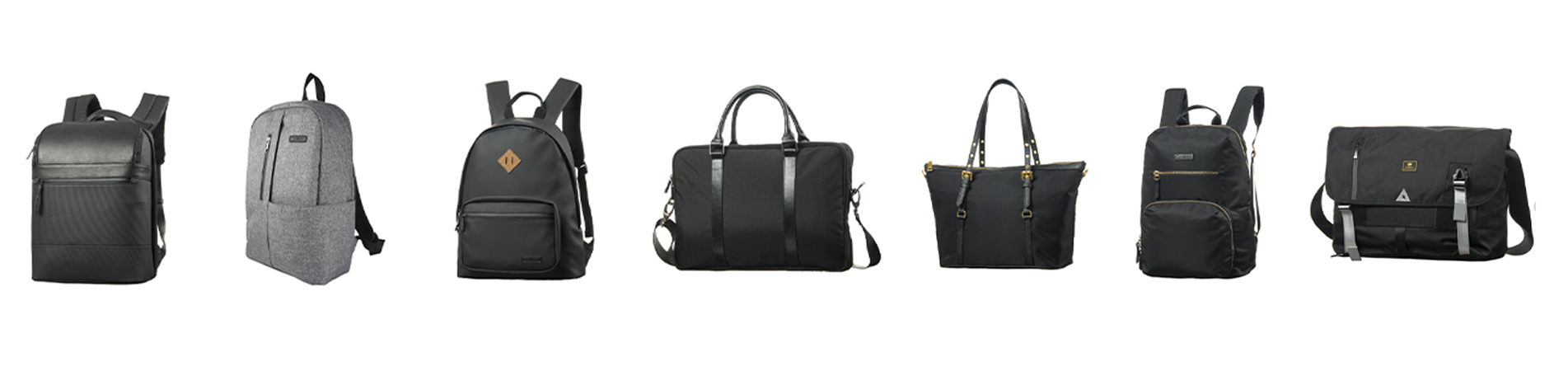
La sostenibilità non è più un elemento di nicchia, ma un requisito fondamentale; per i marchi che desiderano sviluppare linee di borse ecocompatibili – che si tratti di zaini, borsoni da viaggio, trousse per cosmetici o borse tote – il nylon riciclato offre una rara combinazione: la robustezza e la resistenza del nylon vergine, ma con un impatto ambientale significativamente inferiore.
Dalle reti fantasma agli zaini di alta gamma: ecco come il nylon riciclato sta rivoluzionando la produzione sostenibile di borse senza comprometterne le prestazioni.
A BORSA SYNBERRYRiceviamo regolarmente domande dagli acquirenti su come il nylon riciclato si comporta in scenari di produzione reali, quali certificazioni sono importanti e se può davvero eguagliare l'aspetto e la sensazione al tatto dei materiali convenzionali. Questa guida risponde a queste domande dal punto di vista di un produttore.
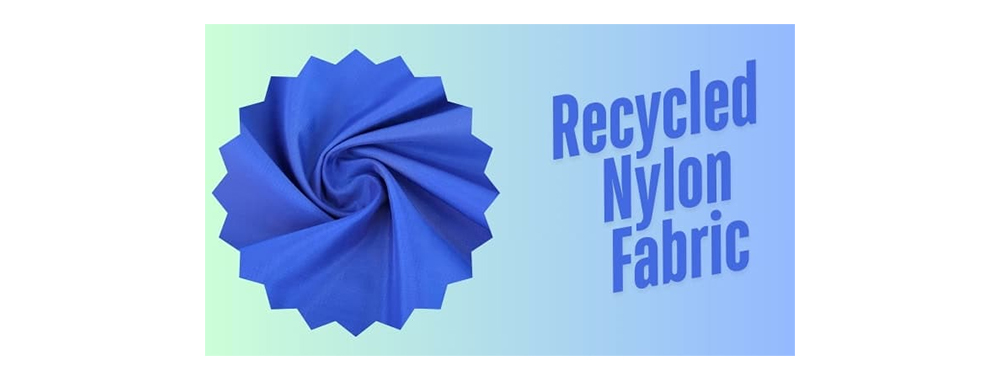
Il nylon riciclato è una fibra sintetica prodotta da rifiuti pre-consumo e post-consumo piuttosto che petrolio vergine. Le materie prime più comuni includono:
Anziché finire nelle discariche o negli ecosistemi marini, questi materiali vengono raccolti, puliti, depolimerizzati e riestruiti in filato di nylon chimicamente e funzionalmente identico al nylon vergine.
Nylon riciclato contro nylon vergine
Attributo | Nylon vergine | Nylon riciclato |
Materia prima | A base di petrolio | Materiali di scarto (reti, ritagli, tappeti) |
Consumo di energia | Alto | Circa il 75% in meno rispetto alla produzione vergine |
Emissioni di CO₂ | Alto | Circa l'80% in meno rispetto alla produzione vergine |
Prestazione | Eccellente resistenza all'abrasione, ai raggi UV e all'umidità. | Riciclo chimico (recuperando i monomeri e poi ripolimerizzandoli in nylon) è possibile ottenere prestazioni quasi paragonabili a quelle del nylon vergine. Riciclaggio meccanico (la fusione e il rimodellamento diretto del nylon di scarto) possono ridurre il grado di polimerizzazione durante il riprocessamento, accorciando potenzialmente le catene molecolari e determinando prestazioni leggermente inferiori. |
Il messaggio chiave per gli acquirenti:
Sopra 640.000 tonnellate di attrezzatura da pesca Ogni anno migliaia di reti vengono abbandonate negli oceani di tutto il mondo. Queste "reti fantasma" continuano a intrappolare la vita marina per decenni. Organizzazioni come The Ocean Cleanup e le cooperative di pescatori regionali recuperano queste reti e le indirizzano verso i flussi di riciclo, direttamente verso gli impianti di rigenerazione del nylon.
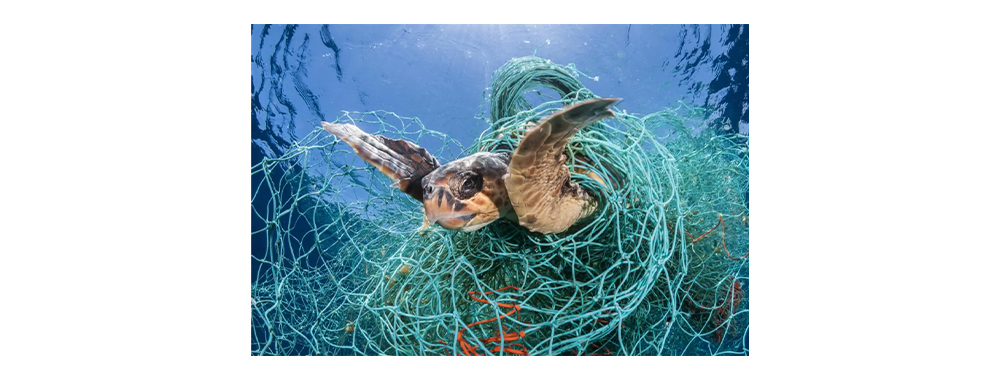
Tartarughe marine intrappolate in reti fantasma
I cicli di sostituzione della moquette negli edifici commerciali generano enormi quantità di rifiuti di nylon 6. Allo stesso modo, le industrie tessili producono scarti e ritagli di cimosa che vengono riciclati meccanicamente o chimicamente per essere trasformati in polimeri utilizzabili.
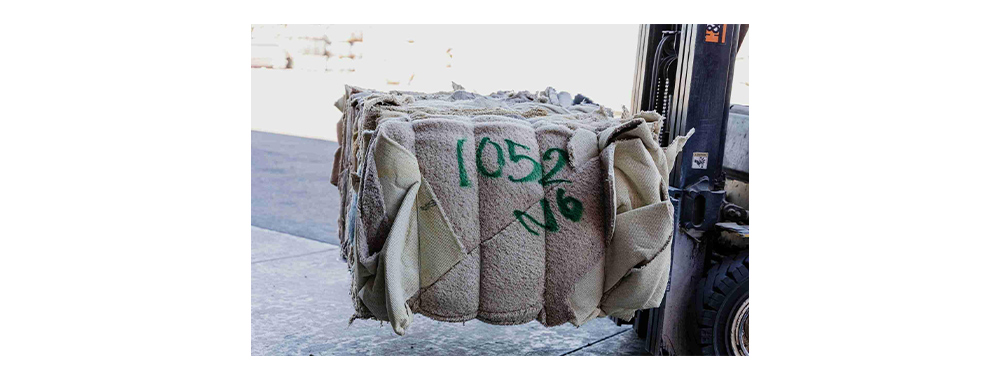
L'immagine mostra i rifiuti di moquette in nylon 6 scartati.
Comprendere il flusso produttivo aiuta gli acquirenti a valutare le capacità dei fornitori e a porre le domande giuste durante gli audit.
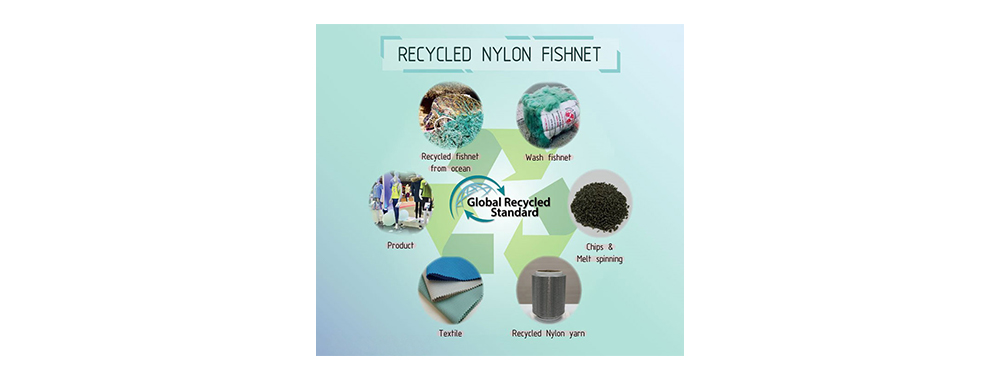
L'immagine mostra il processo di produzione del nylon riciclato
Nella nostra esperienza produttiva, il nylon riciclato si è dimostrato particolarmente adatto alle seguenti categorie di borse:
Categoria borse | Tessuto consigliato | Perché funziona |
Zaini e borsette da giorno | ripstop o twill 420D–840D | Elevata resistenza all'abrasione; leggero ma robusto. |
Borsoni e valigie da viaggio | Nylon balistico 1680D (riciclato) | Resistenza allo strappo estrema; resiste alle sollecitazioni tipiche della movimentazione aeroportuale. |
Pochette per cosmetici e trousse da toilette | Tessuto leggero 210D–420D con rivestimento in PU/TPU | Morbido al tatto; facile da pulire; resistente all'acqua. |
Borse a tracolla e borse shopper | Tessuto in nylon riciclato con trama a tela 300D–600D | Drappeggio strutturato; superficie stampabile per la personalizzazione con il marchio. |
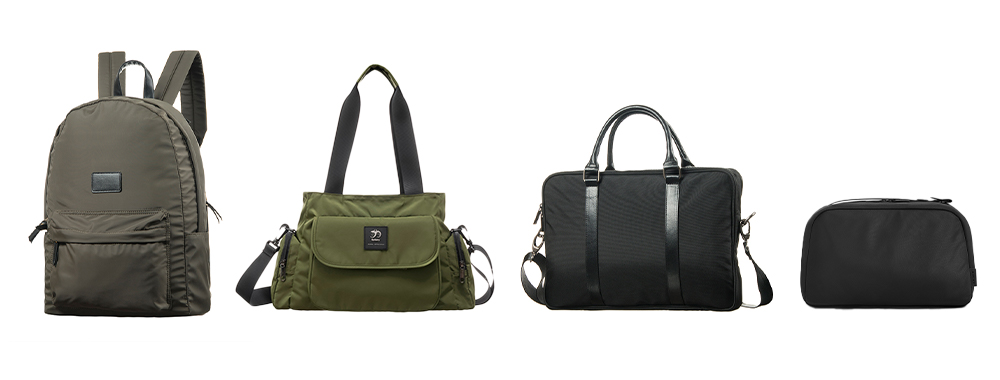
Esempi di tipologie di borse realizzabili con tessuto di nylon riciclato
Quando si seleziona il nylon riciclato per la propria linea di borse, è fondamentale richiedere la documentazione che attesti le dichiarazioni di sostenibilità:
Noi di SYNBERRY collaboriamo con fornitori di tessuti certificati GRS e possiamo fornire una documentazione completa di tracciabilità per i clienti che necessitano di imballaggi conformi.
Il nylon riciclato ha in genere un prezzo superiore del 10-30% rispetto al nylon vergine, a seconda della denaratura, della trama e del volume dell'ordine. Per la maggior parte dei progetti di borse, questo si traduce in un modesto aumento per unità che viene facilmente assorbito nel prezzo al dettaglio, soprattutto se pubblicizzato come caratteristica di sostenibilità.
I colori standard nelle denari più comuni (ad esempio, nero 420D) hanno spesso un ordine minimo basso. Il nylon riciclato tinto o tessuto su misura richiede in genere da 1.000 a 3.000 metri per colore. Consigliamo ai clienti di armonizzare le strategie cromatiche all'interno di una collezione per consolidare gli ordini di tessuto.
La disponibilità di nylon riciclato è migliorata significativamente, ma gli ordini personalizzati comportano comunque un ritardo di 2-4 settimane rispetto ai tempi standard di approvvigionamento del tessuto vergine. Tenetene conto nel vostro calendario di produzione.
Il nylon riciclato si presta bene alla serigrafia, al trasferimento termico e alla sublimazione. Per loghi in rilievo o patch in gomma, la trama del tessuto di base (ripstop o liscio) deve essere abbinata al metodo di decorazione.
Se il vostro marchio sta sviluppando (o ampliando) una linea di prodotti ecocompatibili, il nylon riciclato è uno dei materiali sostenibili più consolidati e collaudati oggi disponibili. Non richiede compromessi di design, si integra perfettamente nelle strutture di borse esistenti e offre una credibile narrazione di sostenibilità che risuona sia con i distributori B2B che con i consumatori finali.
Noi di SYNBERRY BAG non ci limitiamo a cucire borse, ma aiutiamo i marchi a prendere decisioni informate sui materiali. Che tu abbia bisogno di Zaini in nylon riciclato certificati GRS, astucci cosmetici in nylon riciclato resistente all'acquaChe si tratti di una collezione completa basata su materiali circolari, il nostro team può guidarvi dalla selezione dei tessuti fino al controllo qualità finale.
Contattaci Per una consulenza gratuita, per richiedere campioni di tessuto o per un preventivo.
SYNBERRY BAG — Produttore di borse personalizzate | Borse OEM e ODM | Fabbrica di borse certificata GRS
| Autore | ||||||
|
Continua a leggere, resta aggiornato, iscriviti e ti diamo il benvenuto per dirci cosa ne pensi.




Diritto d'autore
@2024 Synberry Bag & Package Products Co.,Ltd Tutti i diritti riservati
.
 RETE SUPPORTATA